
Wildlife Photography Tips for Your Tanzania Safari
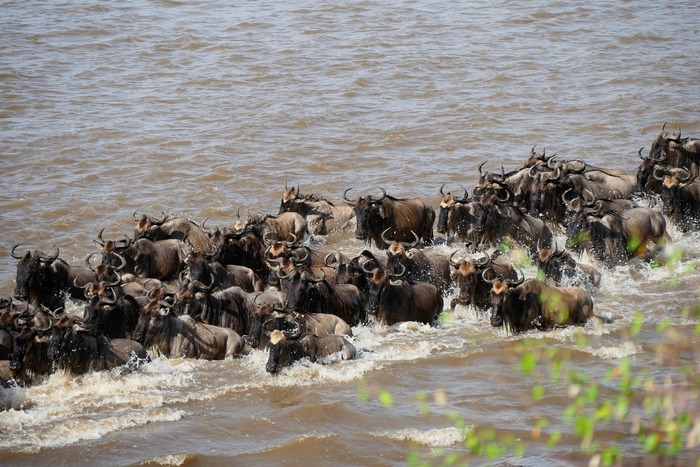
A Tanzania safari offers some of the most incredible wildlife photography opportunities in the world. From the endless plains of the Serengeti to the dramatic landscapes of the Ngorongoro Crater, Tanzania is home to an extraordinary diversity of wildlife. Whether you are a professional photographer or a beginner with a camera, capturing stunning wildlife photos requires preparation, patience, and the right techniques.
During a safari, animals move freely in their natural environment, which makes every moment unique. Learning a few practical photography tips before your journey can help you take memorable images of lions, elephants, giraffes, and other iconic African wildlife. This guide will help you improve your photography skills and make the most of your Tanzania safari experience.
Choose the Right Camera Equipment
The quality of your wildlife photos often depends on the equipment you bring. While even smartphones can capture decent images today, a dedicated camera will give you more control and better results.
A DSLR or mirrorless camera with a zoom lens is highly recommended for safari photography. Animals are usually at a distance, so a lens with a focal length of 200mm to 400mm helps capture clear and detailed shots without disturbing the wildlife.
Other useful equipment includes:
Extra memory cards
Spare camera batteries
Lens cleaning cloth
Camera bean bag or stabilizer
Dust can be common on safari roads, so protecting your camera gear is also important.
Understand the Best Time for Wildlife Photography
Lighting plays a huge role in photography. On safari, the best time to take photos is during the early morning and late afternoon, often called the golden hours.
During these times, sunlight is softer and warmer, which creates beautiful colors and shadows in your images. Many animals are also more active during cooler hours, increasing your chances of capturing exciting wildlife moments.
Midday sunlight can be harsh and create strong shadows, so it is often better to relax or review your photos during this time.
Be Patient and Observe Animal Behavior
Wildlife photography requires patience. Animals rarely pose for photos, so waiting for the right moment is part of the experience.
Spend time observing animal behavior before taking pictures. For example:
Lions may yawn or stretch after resting
Elephants often interact with their herd
Giraffes move gracefully across the savannah
By watching carefully, you can anticipate interesting moments and capture more natural and dynamic photos.
Focus on the Animal’s Eyes
One of the most important rules in wildlife photography is to focus on the animal’s eyes. Sharp, clear eyes create a strong emotional connection between the viewer and the subject.
Even if the rest of the animal is slightly blurred due to movement, sharp eyes will make the photograph feel alive and engaging.
Using continuous autofocus (AI Servo or AF-C mode) can help track moving animals and keep them in focus.
Use Natural Light to Your Advantage
Natural light is one of the greatest tools for wildlife photographers. On safari, the open landscapes of Tanzania provide beautiful lighting conditions.
Position your camera so that the sunlight falls gently on the animal rather than directly behind it. This helps reveal details such as fur texture, patterns, and colors.
Backlighting can also create dramatic silhouettes, especially during sunrise or sunset.
Capture the Environment
While close-up shots of animals are impressive, including the surrounding landscape can make your photos more powerful.
Tanzania’s ecosystems are incredibly diverse. Consider photographing animals with:
Acacia trees in the background
Wide open Serengeti plains
Dramatic skies and clouds
Mountains or crater landscapes
These environmental shots help tell the full story of the safari and create a stronger sense of place.
Keep Your Camera Ready
Wildlife moments often happen very quickly. A cheetah may suddenly start running, or a herd of elephants may cross the road without warning.
To avoid missing these moments:
Keep your camera within reach
Turn on your camera before the game drive begins
Use fast shutter speeds for moving animals
A shutter speed of at least 1/1000 seconds is ideal for capturing fast-moving wildlife like birds or predators in action.
Respect Wildlife and Follow Safari Guidelines
While photography is exciting, respecting wildlife should always come first. Animals should never feel threatened or disturbed by photographers.
During a safari:
Keep a safe distance from animals
Avoid loud noises or sudden movements
Follow the instructions of your safari guide
Responsible wildlife photography helps protect animals and preserves the natural environment for future generations.
Practice Composition Techniques
Good composition can transform an ordinary wildlife photo into a stunning image.
Some useful techniques include:
Rule of Thirds:
Place the animal slightly off-center to create a balanced and interesting image.
Leading Lines:
Use natural elements such as roads, rivers, or tree branches to guide the viewer’s eye toward the subject.
Frame the Subject:
Bushes, trees, or natural openings can frame animals and add depth to the photograph.
Capture Action and Storytelling Moments
The most memorable wildlife photographs often capture action or behavior rather than static poses.
Look for moments such as:
Predators stalking prey
Elephants protecting their calves
Birds taking flight
Animals drinking water at a river or watering hole
These images tell powerful stories about life in the wild and make your safari photography truly special.
Final Thoughts
A Tanzania safari provides a once-in-a-lifetime opportunity to photograph some of the world’s most spectacular wildlife. With the right equipment, patience, and photography techniques, you can capture incredible images that preserve your safari memories forever.
Remember that great wildlife photography is not only about the camera you use but also about understanding nature and respecting the animals you photograph. Take your time, enjoy the experience, and allow the beauty of Tanzania’s wildlife and landscapes to inspire your photography journey.