
Tanzania Safari Language Guide: Essential Swahili Phrases for Travelers
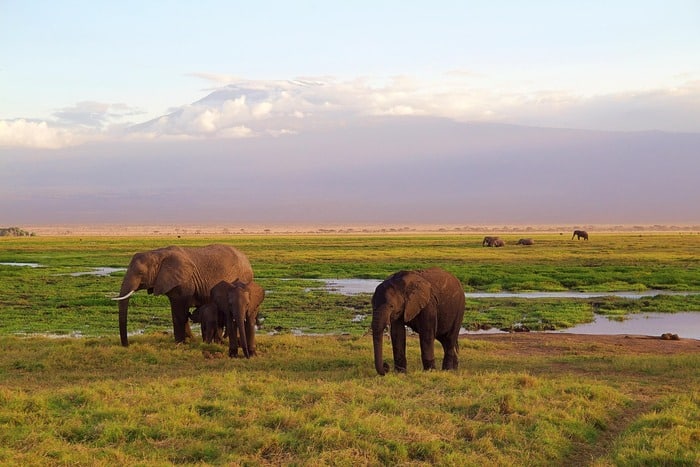
A safari in Tanzania is more than just wildlife viewing—it is also a cultural experience. While English is widely spoken in tourism areas, learning a few words of Swahili (Kiswahili) can make your journey smoother, more enjoyable, and more meaningful. Locals truly appreciate visitors who try to speak their language, even if it’s just a few simple phrases.
This Tanzania safari language guide will help you understand essential Swahili words and phrases used during safaris, in hotels, at airports, and in local communities. Whether you are visiting the Serengeti, Ngorongoro Crater, Tarangire, or Zanzibar, these language tips will enhance your experience.
Why Learning Swahili Matters on a Tanzania Safari
Swahili is the national language of Tanzania and one of the most widely spoken languages in East Africa. On safari, you will hear it everywhere—from your guide giving wildlife explanations to lodge staff welcoming guests.
Learning basic Swahili helps you:
- Communicate better with guides and local staff
- Show respect for local culture
- Enhance your safari experience
- Build friendly connections with people
- Understand wildlife explanations more deeply
Even a simple “hello” or “thank you” can make a big difference.
Basic Greetings in Swahili
Greetings are very important in Tanzanian culture. People often greet each other warmly before any conversation begins.
Common Greetings:
- Hello – Jambo / Hujambo
- How are you? – Habari gani?
- I am fine – Nzuri
- Good morning – Habari za asubuhi
- Good evening – Habari za jioni
- Welcome – Karibu
Safari Tip:
Your safari guide will often say “Jambo!” or “Karibu Tanzania!” when welcoming you.
Essential Safari Phrases You Will Hear
During game drives, your guide will use simple Swahili words to describe wildlife and nature.
Useful Safari Vocabulary:
- Simba – Lion
- Tembo – Elephant
- Twiga – Giraffe
- Kiboko – Hippopotamus
- Chui – Leopard
- Swala – Antelope
- Mto – River
- Mlima – Mountain
- Hifadhi – Park / Reserve
Example in Use:
Your guide might say:
“Tazama tembo kule!” – Look at the elephant over there!
Important Safari Communication Words
These phrases help you communicate during your safari activities.
Useful Expressions:
- Tazama! – Look!
- Piga picha – Take a photo
- Pole pole – Slowly / take it easy
- Asante – Thank you
- Asante sana – Thank you very much
- Samahani – Excuse me / Sorry
- Ninafurahia – I am enjoying it
Safari Tip:
“Pole pole” is one of the most common phrases in Tanzania. It reflects the relaxed safari lifestyle.
At the Hotel and Lodge
You will often use Swahili words when interacting with hotel staff or lodge employees.
Useful Lodge Phrases:
- Chakula – Food
- Maji – Water
- Chumba – Room
- Bafu – Bathroom
- Njaa – I am hungry
- Naomba – I would like / please give me
Example:
“Naomba maji” – I would like water.
At the Airport and Transfers
When arriving in Tanzania, you may also hear or use Swahili during transfers.
Travel Words:
- Uwanja wa ndege – Airport
- Gari – Car
- Dereva – Driver
- Safari – Journey / Trip
- Tiketi – Ticket
Example:
“Karibu Tanzania!” – Welcome to Tanzania!
Cultural Phrases and Politeness
Tanzanian culture values respect and politeness. Using polite words goes a long way.
Respectful Expressions:
- Tafadhali – Please
- Samahani – Excuse me / Sorry
- Asante sana – Thank you very much
- Karibu sana – You are very welcome
Cultural Tip:
Always greet people before asking for anything.
Fun Safari Conversations
Here are some simple phrases you might use during your safari adventure:
- “Ninapenda safari” – I love the safari
- “Nataka kuona simba” – I want to see lions
- “Hii ni nzuri sana” – This is very beautiful
- “Nimefurahi” – I am happy
These phrases make your safari more interactive and enjoyable.
Swahili Numbers for Safari Use
You may hear numbers when guides are counting animals or giving instructions.
- 1 – Moja
- 2 – Mbili
- 3 – Tatu
- 4 – Nne
- 5 – Tano
- 10 – Kumi
Example:
“Simba watatu” – Three lions
Safari Guide Communication Tips
To make your safari experience smooth:
- Listen carefully to your guide’s instructions
- Ask questions politely
- Use simple English or Swahili words
- Repeat phrases to learn quickly
Safari guides are usually very friendly and patient with visitors.
Why Swahili Makes Your Safari Better
Even though you don’t need to be fluent, knowing a few Swahili words makes your trip more immersive. It helps you connect with people and understand the local culture beyond just wildlife viewing.
You will notice that guides, lodge staff, and local communities respond warmly when you try to speak their language.
Final Thoughts on Tanzania Safari Language Guide
Learning basic Swahili is one of the best ways to enhance your safari experience in Tanzania. This Tanzania safari language guide gives you everything you need to communicate simply, respectfully, and confidently during your trip.
From greetings like “Jambo” to safari words like “Simba” and “Tembo,” these phrases will help you feel more connected to the land, the people, and the wildlife.
A safari is not just about seeing animals—it is about experiencing the culture, and language is the key to that experience.