
Why Tarangire National Park Offers Premier Wildlife Viewing Opportunities
Introduction
When travelers think of a Tanzania safari, destinations like Serengeti often come to mind first. However, Tarangire National Park stands out as one of the country’s most rewarding wildlife destinations. Known for its massive elephant herds, ancient baobab trees, dramatic landscapes, and seasonal wildlife concentrations, Tarangire offers truly premier wildlife viewing opportunities for those seeking an authentic and less crowded safari experience.
Located in northern Tanzania, Tarangire forms part of the famous Northern Safari Circuit and delivers a peaceful yet wildlife-rich adventure.
The Largest Elephant Population in Northern Tanzania
Massive Elephant Herds
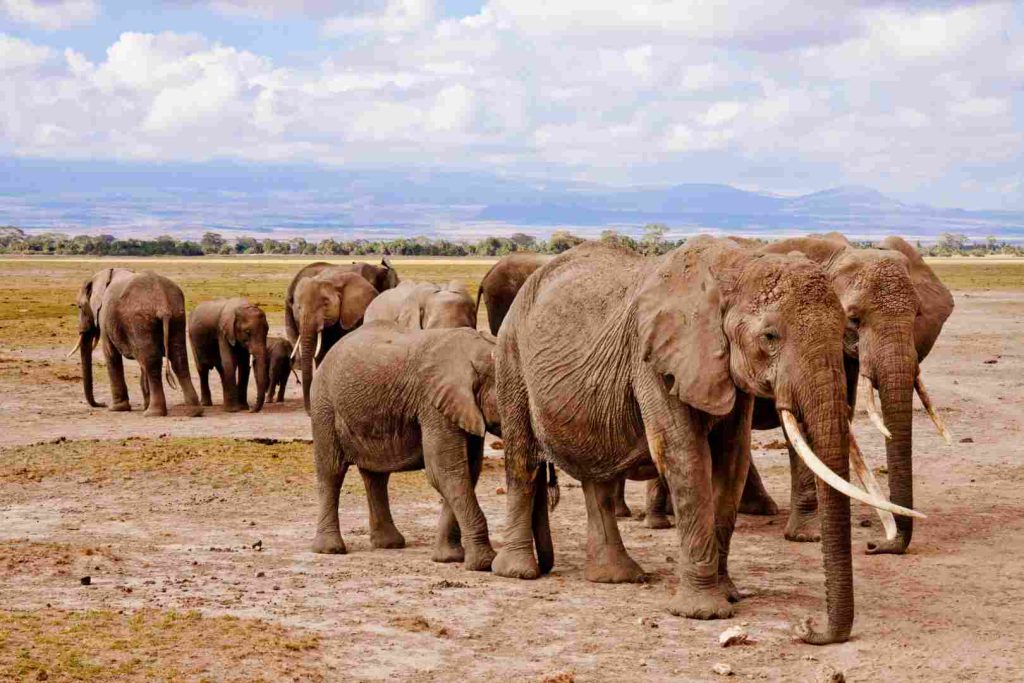
Tarangire is widely recognized for hosting some of the largest elephant herds in Tanzania. During the dry season, hundreds gather near the Tarangire River, creating unforgettable wildlife spectacles.
Visitors can observe:
Family groups interacting
Calves playing under adult protection
Mature bulls roaming independently
Herds crossing plains at sunset
These encounters make Tarangire one of the best destinations for elephant viewing in Africa.
The Lifeline of the Park: Tarangire River
Dry Season Wildlife Concentration
The Tarangire River becomes the primary water source during the dry months (June–October). As surrounding areas dry out, animals migrate into the park in search of water.
This results in:
High wildlife density
Easier predator sightings
Excellent photographic opportunities
Reliable game viewing experiences
The river ecosystem supports elephants, buffalo, antelopes, lions, and leopards.
Ancient Baobab Trees and Unique Landscapes
Iconic Baobab Scenery
Tarangire is famous for its giant baobab trees, some hundreds of years old. These trees create a dramatic and distinctive safari atmosphere unlike other Tanzanian parks.
The landscape includes:
Rolling savannah plains
Acacia woodlands
Seasonal swamps
Riverine forests
Granite ridges
This ecological diversity supports varied wildlife species and enhances the overall viewing experience.
Exceptional Predator Sightings
Lions, Leopards, and Cheetahs
Although elephants are the highlight, Tarangire also offers impressive predator encounters.
Visitors frequently spot:
Lions resting in shaded areas
Leopards in riverine forests
Cheetahs roaming open plains
Fewer safari vehicles mean more peaceful and uninterrupted predator sightings.
Birdwatcher’s Paradise
Over 500 Bird Species
Tarangire is home to more than 500 recorded bird species, making it one of Tanzania’s best birding destinations.
Common sightings include:
Yellow-collared lovebirds
Secretary birds
Kori bustards
Ostriches
Lilac-breasted rollers
Both wet and dry seasons offer excellent birdwatching opportunities.
Seasonal Wildlife Movement
Internal Migration Patterns
Unlike the Serengeti Great Migration, Tarangire experiences its own seasonal wildlife movement. During the wet season, animals disperse into surrounding areas. As the dry season begins, they return in large numbers.
This natural cycle creates dynamic wildlife viewing throughout the year.
Fewer Crowds, More Exclusive Experience
Peaceful Safari Atmosphere
Compared to more famous parks, Tarangire receives fewer tourists. This provides:
Longer wildlife sightings
Better photography angles
Quiet game drives
A more intimate safari experience
For travelers seeking exclusivity, this is a major advantage.
Ideal for Luxury and Private Safaris
Premium Safari Lodges and Camps
Tarangire offers high-end lodges and tented camps that blend comfort with nature. Many properties overlook wildlife corridors or river views, allowing guests to enjoy wildlife even from their accommodation.
Luxury combined with wildlife density makes Tarangire ideal for:
Honeymoon safaris
Family adventures
Private guided tours
Best Time to Visit Tarangire
Dry Season (June – October)
Peak wildlife concentration
Large elephant gatherings
Excellent predator sightings
Clear skies and easier tracking
Wet Season (November – May)
Lush green landscapes
Exceptional birdwatching
Fewer tourists
Beautiful photography conditions
Each season offers unique benefits depending on visitor preferences.
Accessibility Within Tanzania’s Northern Circuit
Easy Safari Combinations
Tarangire is conveniently located near Arusha and pairs perfectly with:
Serengeti National Park
Ngorongoro Crater
Lake Manyara National Park
This makes it an excellent addition to any Northern Tanzania safari itinerary.
Conservation and Sustainable Tourism
Protecting Wildlife for the Future
Sustainable tourism in Tarangire supports anti-poaching initiatives, community development, and habitat protection.
By visiting Tarangire, travelers directly contribute to conservation efforts that preserve elephant populations and other wildlife species.
Conclusion
Tarangire National Park offers truly premier wildlife viewing opportunities through its remarkable elephant herds, dramatic baobab landscapes, seasonal wildlife concentrations, and peaceful safari atmosphere.
For travelers seeking authentic encounters, fewer crowds, and exceptional biodiversity, Tarangire stands as one of Tanzania’s finest safari destinations.