
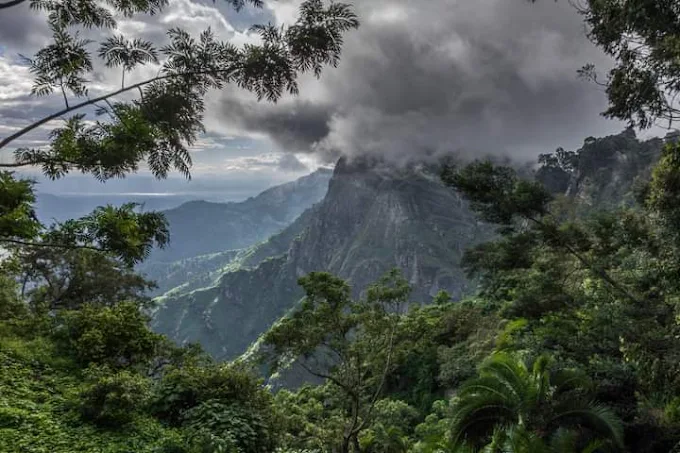
Usambara Mountains
Usambara Mountains are one of Tanzania’s most beautiful highland destinations, famous for lush green landscapes, ancient forests, dramatic viewpoints, tea plantations, traditional villages and rich biodiversity. Located in northeastern Tanzania’s Tanga Region, the mountains form part of the ancient Eastern Arc Mountains and offer a peaceful alternative to the country’s traditional safari destinations.
Explore the Green Highlands
The Usambara Mountains are divided into two main areas: the West Usambara Mountains, centered around Lushoto, and the East Usambara Mountains, closer to the coast and accessible through the Muheza and Amani areas.
The cool climate, fertile slopes and spectacular scenery make the region ideal for travelers who enjoy nature, hiking and cultural experiences.
Lushoto Town
Lushoto is the main gateway to the West Usambara Mountains.
The attractive highland town is surrounded by forests, farms and rolling mountains. It also has a fascinating history influenced by German and British colonial periods, with historic buildings and other landmarks still visible today.
Lushoto is an excellent base for day hikes and longer mountain treks.
Hiking and Trekking
Hiking is one of the best ways to experience the Usambara Mountains.
Trails pass through forests, farms, villages and mountain ridges, offering opportunities to experience both nature and local life.
Popular hiking experiences include:
- Irente Viewpoint
- Magamba Forest
- Mtae
- Mambo
- Kisasa Waterfalls
- Mkuzu Waterfall
- Bangala River
- Ndelemai Forest
- Mazumbai Forest
Guided walks can range from a few hours to several days.
Irente Viewpoint
Irente Viewpoint is one of the most famous attractions near Lushoto.
The viewpoint offers spectacular views across the landscape toward the Maasai Plains, with a dramatic drop of almost 1,000 metres below. A hike to Irente can also be combined with a visit to a local farm for a picnic and locally produced food.
The viewpoint is particularly beautiful in the early morning or late afternoon when the light creates dramatic colors across the plains.
Magamba Forest
Magamba Forest provides an excellent introduction to the natural environment of the West Usambara Mountains.
Visitors can walk through forested trails, observe birds and look for black-and-white colobus monkeys. The area also contains historical attractions, including an old German cave and other remnants of the region’s past.
Mtae and Mambo Viewpoints
For travelers looking for spectacular mountain scenery, Mtae and Mambo are excellent choices.
These highland viewpoints overlook valleys, villages and distant plains. Multi-day hikes can connect villages and forest areas while providing opportunities to experience local life along the way.
Mtae is particularly attractive for travelers who want a combination of hiking, scenery and cultural interaction.
Waterfalls
The mountains are home to several waterfalls surrounded by green vegetation.
Kisasa Waterfall and Mkuzi Waterfall are among the places that can be visited during guided hikes. Forest trails leading toward waterfalls provide a refreshing experience and excellent opportunities for nature photography.
Rich Biodiversity
The Usambara Mountains are part of the Eastern Arc Mountains, one of Africa’s important biodiversity regions.
The long geological history and isolated forest habitats have contributed to exceptional levels of plant and animal diversity. The East Usambara forests, in particular, contain many species found nowhere else.
This makes the region especially attractive to botanists, birdwatchers, photographers and nature enthusiasts.
Birdwatching
The forests provide excellent opportunities for birdwatching.
Depending on the area visited, travelers may encounter forest birds and other species associated with the Eastern Arc Mountains. The combination of dense forest, farms and highland habitats creates varied birdwatching opportunities.
For serious birdwatchers, spending several days exploring different forest areas can provide a much richer experience.
Tea and Coffee Plantations
The fertile slopes of the Usambara Mountains support agriculture, including tea and coffee plantations.
Walking through the plantations allows visitors to appreciate how farming is integrated into the mountain landscape. Some tours also include visits to local farms where travelers can learn about traditional and commercial agriculture.
Experience Local Culture
The Usambara Mountains are home to the Wasambaa (Shambaa) people, whose culture is closely connected with the surrounding landscape.
Cultural tours can include:
- Village visits
- Local farms
- Traditional food
- Local markets
- Community projects
- Traditional irrigation systems
- Local crafts
- Historical sites
These experiences offer a chance to understand everyday life in the highlands rather than simply passing through the region.
Cycling Through the Mountains
The quiet roads and scenic countryside also make the area suitable for cycling.
Cycling through villages, farms and mountain roads provides a slower way to experience the landscape while enjoying fresh highland air and panoramic views. The official Tanzania tourism website also highlights cycling among activities available in the Usambara Mountains.
East Usambara and Amani
The East Usambara Mountains are smaller and wetter than the western ranges.
The area is associated with Amani Nature Reserve, botanical gardens, tea and spice plantations, forests and exceptional biodiversity. It is particularly attractive to travelers interested in forest walks, plants and birdwatching.
Best Time to Visit
The Usambara Mountains can be visited throughout the year.
The June to October period generally offers comfortable conditions for hiking, sightseeing and outdoor activities, while the landscape becomes especially lush during the rainy seasons.
Rain can make some mountain trails slippery, so travelers visiting during wetter months should use appropriate footwear and travel with a local guide.
How to Get There
Lushoto is the main gateway to the West Usambara Mountains.
The area can be reached by road through Mombo, which connects the mountains with the main highway between northern and coastal Tanzania. Lushoto also has road connections with destinations including Tanga, Arusha and Dar es Salaam.
The East Usambara Mountains can be accessed through Muheza.
Where to Stay
Lushoto and the surrounding villages offer a variety of accommodation options, including hotels, lodges, guesthouses, eco-lodges and community-based stays.
For longer hikes, travelers can also arrange overnight stays in rural communities, allowing them to experience local hospitality and highland life more closely.
Combine the Usambara Mountains with Other Destinations
The mountains can easily be included in a wider Tanzania itinerary.
Popular combinations include:
- Mkomazi National Park
- Saadani National Park
- Tanga
- Pangani
- Bagamoyo
- Dar es Salaam
- Mount Kilimanjaro
- Arusha
Combining Usambara Mountains and Mkomazi National Park is particularly attractive for travelers who want to experience both highland hiking and wildlife.
Why Visit the Usambara Mountains?
The Usambara Mountains offer a completely different side of Tanzania.
Instead of spending the entire trip on safari, travelers can walk through ancient forests, visit traditional villages, enjoy spectacular viewpoints, explore waterfalls and discover one of Tanzania’s most important biodiversity regions.
The cool climate and peaceful atmosphere also make the mountains an excellent place to relax after a safari.
Plan Your Usambara Adventure
Discover the Usambara Mountains through hiking, forest walks, cultural tours, birdwatching, cycling and spectacular viewpoints.
Whether you are planning a short escape to Lushoto or a multi-day trek through villages and forests, the Usambara Mountains offer an unforgettable combination of nature, culture and adventure in northeastern Tanzania.