
Mount Meru: Tanzania’s Hidden Gem for Adventure, Nature, and Scenic Beauty
Introduction
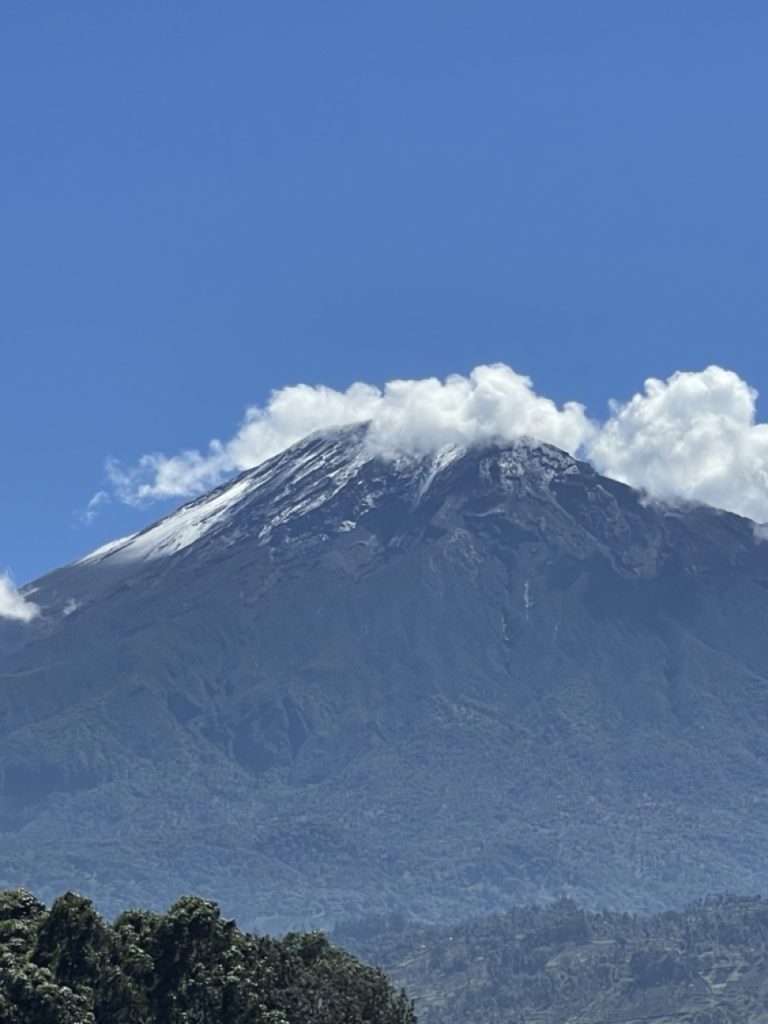
Located in northern Tanzania, Mount Meru is one of Africa’s most underrated yet incredibly rewarding travel destinations. Standing at 4,566 meters (14,980 feet), it is the second-highest mountain in Tanzania after Mount Kilimanjaro. Often overshadowed by its famous neighbor, Mount Meru offers a quieter, more intimate trekking experience combined with breathtaking landscapes, rich wildlife, and diverse ecosystems. For travelers seeking adventure, nature, and authentic safari experiences, Mount Meru is truly a hidden gem worth exploring.
Location and Accessibility
Mount Meru is located within Arusha National Park, just a short distance from the bustling safari hub of Arusha. This convenient location makes it easily accessible for both international and local travelers. Most visitors begin their journey from Arusha, which is well connected by road and air, making Mount Meru an excellent addition to any Tanzania safari itinerary.
The proximity to Arusha also allows travelers to combine a Mount Meru trek with other popular destinations such as Serengeti National Park, Ngorongoro Crater, and Lake Manyara. This makes it a strategic and flexible destination for those planning a comprehensive Tanzania adventure.
Geological Formation and Landscape
Mount Meru is a dormant stratovolcano formed over thousands of years through volcanic activity. Its dramatic landscape includes steep cliffs, lush forests, open grasslands, and a spectacular crater. One of the most striking features of Mount Meru is its horseshoe-shaped crater, which was formed after a massive volcanic explosion.
The mountain’s terrain changes significantly as you ascend, offering a unique trekking experience through multiple ecological zones. From dense rainforests at the base to alpine desert conditions near the summit, Mount Meru showcases Tanzania’s natural diversity in a single journey.
Mount Meru Climbing Experience
Climbing Mount Meru is an unforgettable adventure that typically takes 3 to 4 days. Unlike Mount Kilimanjaro, the trek is less crowded, allowing for a more peaceful and immersive experience in nature. The climb is considered moderately challenging, making it suitable for both experienced hikers and fit beginners.
One of the most unique aspects of climbing Mount Meru is that the trek begins with a walking safari through Arusha National Park. Trekkers are often accompanied by an armed ranger due to the presence of wildlife such as buffalo, giraffes, and elephants. This combination of trekking and wildlife viewing makes the Mount Meru climb truly special.
As climbers ascend, they pass through several camps, including Miriakamba Hut and Saddle Hut, before making the final summit push to Socialist Peak. The summit offers stunning panoramic views, including a clear view of Mount Kilimanjaro on a good day.
Best Time to Visit Mount Meru
The best time to climb Mount Meru is during the dry seasons, which occur from June to October and from December to February. During these months, the weather is generally clear, providing excellent visibility and safer trekking conditions.
However, Mount Meru can be climbed year-round, and each season offers a unique experience. The rainy season, while more challenging, transforms the landscape into a lush green paradise, ideal for nature lovers and photographers.
Wildlife and Biodiversity
One of the biggest advantages of visiting Mount Meru is the incredible wildlife found in Arusha National Park. The lower slopes of the mountain are home to a wide range of animals, including giraffes, zebras, buffaloes, monkeys, and various bird species.
Unlike many mountain treks around the world, Mount Meru offers a true safari experience even before reaching higher altitudes. The forested areas are particularly rich in biodiversity, featuring colobus monkeys and vibrant birdlife that make the trek even more exciting.
The diverse ecosystems found on Mount Meru also support a wide variety of plant species. From tropical rainforest vegetation to alpine flora, the mountain is a haven for nature enthusiasts and researchers alike.
Why Choose Mount Meru Over Kilimanjaro?
While Mount Kilimanjaro is more famous, Mount Meru offers several advantages that make it an attractive alternative or complement:
Key Advantages
- Less crowded: Enjoy a peaceful trekking experience without large tourist groups
- More affordable: Generally cheaper than Kilimanjaro climbs
- Wildlife encounters: Unique walking safari experience
- Great acclimatization: Ideal preparation for Kilimanjaro climbs
- Stunning views: Offers spectacular scenery and panoramic landscapes
Cultural and Local Experience
The region surrounding Mount Meru is rich in culture and traditions. Visitors have the opportunity to interact with local communities, learn about traditional lifestyles, and experience Tanzanian hospitality firsthand.
The nearby city of Arusha serves as a cultural gateway, offering markets, local cuisine, and opportunities to explore Tanzanian heritage. Combining a Mount Meru trek with cultural tours adds depth and meaning to the overall travel experience.
Accommodation Options
There are various accommodation options available for travelers visiting Mount Meru. In Arusha, visitors can choose from budget lodges to luxury hotels. Within the mountain itself, climbers stay in well-maintained huts such as Miriakamba Hut and Saddle Hut, which provide basic but comfortable facilities.
For those who prefer more luxurious experiences, there are several safari lodges and eco-lodges around Arusha National Park that offer stunning views of Mount Meru and high-quality services.
Tips for Climbing Mount Meru
To make the most of your Mount Meru adventure, consider the following tips:
Important Tips
- Prepare physically: Ensure you are in good fitness condition before the climb
- Pack appropriately: Bring warm clothing, hiking boots, and essential gear
- Stay hydrated: Drink plenty of water during the trek
- Acclimatize properly: Take your time to adjust to altitude
- Hire experienced guides: Professional guides enhance safety and experience
Mount Meru for Photographers
Mount Meru is a paradise for photographers. The changing landscapes, wildlife encounters, and dramatic views provide endless opportunities for capturing stunning images. Sunrise at Socialist Peak is particularly breathtaking, offering golden light over the African plains with Mount Kilimanjaro in the background.
Sustainable Tourism and Conservation
Mount Meru and Arusha National Park play a crucial role in Tanzania’s conservation efforts. Visitors are encouraged to practice responsible tourism by respecting wildlife, following park regulations, and minimizing environmental impact.
Combining Mount Meru with a Tanzania Safari
One of the biggest advantages of visiting Mount Meru is its strategic location. Travelers can combine a trekking adventure with a classic Tanzania safari. After descending the mountain, many visitors head to Serengeti National Park, Ngorongoro Crater, or Tarangire National Park for wildlife viewing.
Conclusion
Mount Meru is one of Tanzania’s most remarkable yet underrated destinations. With its stunning landscapes, rich biodiversity, and unique trekking experience, it offers something truly special for every traveler. Whether you are an adventure seeker, nature lover, or photographer, Mount Meru provides an unforgettable journey filled with beauty, excitement, and discovery.
For those looking to explore beyond the typical tourist routes, Mount Meru stands out as a perfect choice. Its combination of scenic beauty, wildlife encounters, and cultural experiences makes it a must-visit destination in Tanzania.
If you are planning your next African adventure, consider adding Mount Meru to your itinerary. It may not be as famous as Mount Kilimanjaro, but it offers an equally rewarding experience—one that is quieter, more personal, and deeply connected to nature.