
Essential Climbing Gear and Preparation for a Safe Mountain Adventure
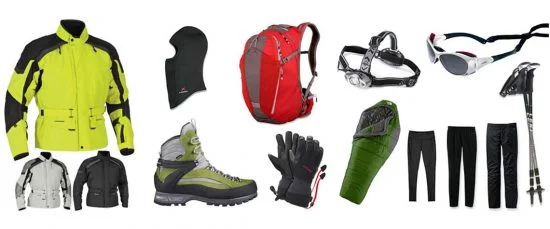
Climbing a mountain is one of the most exciting outdoor adventures a traveler can experience. Whether you are planning to hike a scenic peak or attempt a world-famous summit, proper climbing gear and preparation are essential for both safety and success. Many first-time climbers underestimate how important equipment, physical readiness, and planning are for a successful expedition. The right preparation not only increases your chances of reaching the summit but also ensures you enjoy the journey comfortably and safely.
This guide explains the most important climbing gear, preparation tips, and practical advice to help you get ready for your next mountain adventure.
Why Proper Climbing Preparation Matters
Mountain environments can be unpredictable. Weather conditions may change quickly, temperatures can drop suddenly, and trails may become more challenging than expected. Being well prepared helps climbers adapt to these changes and stay safe throughout the journey.
Without proper planning, climbers may experience problems such as extreme fatigue, dehydration, altitude sickness, or equipment failure. However, with the right preparation and gear, these risks can be significantly reduced. Proper planning allows climbers to focus on enjoying the breathtaking scenery and the thrill of reaching new heights.
Preparation for a mountain climb includes several key factors such as physical fitness, choosing the right clothing and equipment, understanding the route, and preparing mentally for the challenge ahead.
Essential Climbing Gear
Having the correct equipment can make a major difference during a mountain climb. The right gear improves safety, comfort, and efficiency on the trail. Below are some of the most important items every climber should consider.
1. Quality Hiking Boots
Your footwear is one of the most important pieces of equipment for any climbing adventure. A reliable pair of hiking boots should offer strong support, comfort, and stability to help climbers walk safely across different types of terrain.
High-quality hiking boots should include:
Strong ankle support
Durable soles with excellent grip
Water-resistant materials
Comfortable cushioning for long hiking days
Wearing poor footwear can lead to blisters, discomfort, and even injuries. For this reason, it is always recommended to break in new boots before starting a major climb.
2. Layered Clothing System
Mountain weather can change dramatically throughout the day. The best strategy for staying comfortable in different conditions is using a layered clothing system.
This system typically includes three layers:
Base Layer:
This layer sits closest to your skin and helps regulate body temperature by moving sweat away from the body.
Mid Layer:
The middle layer provides insulation and helps retain body heat when temperatures drop.
Outer Layer:
A durable outer jacket that resists water and wind is essential for shielding climbers from rain, cold winds, and unpredictable mountain weather.
Layering clothing allows climbers to easily add or remove garments depending on the weather and physical activity level.
3. Backpack
A well-designed backpack is necessary for carrying important gear during a climb. A good climbing backpack should be lightweight yet durable and include supportive shoulder straps and a waist belt.
Features to look for in a climbing backpack include:
Adjustable straps for comfort
Breathable back support
Multiple compartments for organization
Strong zippers and durable material
For most multi-day climbs, a backpack with a capacity of 30–50 liters is usually ideal.
4. Trekking Poles
Trekking poles are extremely useful tools for mountain climbing. They help distribute body weight more evenly and reduce pressure on the knees, especially when walking downhill.
Poles also improve balance on rocky or uneven trails. Many climbers find that trekking poles increase stability and reduce fatigue during long hikes.
5. Headlamp or Flashlight
Many mountain expeditions start early in the morning or require hiking in low-light conditions. A reliable headlamp allows climbers to see clearly while keeping both hands free.
Headlamps are particularly useful for:
Early summit attempts
Night hiking
Navigating campsites after dark
Always carry spare batteries to ensure your light source lasts throughout the climb.
6. Hydration System
Staying hydrated is extremely important during any climbing expedition. Climbers lose a large amount of fluids through sweat, especially at higher elevations.
Common hydration options include:
Reusable water bottles
Hydration bladder systems
Water purification tablets or filters
Drinking small amounts of water regularly throughout the hike helps maintain energy levels and prevents dehydration.
7. Nutrition and Energy Snacks
Climbing a mountain requires a significant amount of energy. Carrying lightweight, high-energy foods helps keep your body fueled during long hiking days.
Popular climbing snacks include:
Energy bars
Trail mix and nuts
Dried fruits
Chocolate
Protein snacks
Eating small portions regularly during the climb helps maintain stable energy levels and prevents exhaustion.
8. Navigation Tools
Even if you are climbing with an experienced guide, carrying basic navigation tools can still be helpful. Understanding your route helps prevent confusion and ensures you stay on the correct path.
Useful navigation tools include:
Printed maps
Compass
GPS devices
Smartphone apps with offline maps
Familiarizing yourself with the route before starting your climb can improve confidence and safety.
9. First Aid Kit
A compact first aid kit is an essential item for every climber. While major accidents are rare on well-organized climbs, minor injuries or health issues can occur.
A basic climbing first aid kit should include:
Bandages and medical tape
Antiseptic wipes
Pain relief medication
Blister treatment supplies
Basic altitude sickness medication
Having these items available allows climbers to quickly handle small medical issues on the trail.
Physical Preparation for Climbing
Mountain climbing requires strength, endurance, and cardiovascular fitness. Preparing your body before the climb can make the experience much more enjoyable.
Cardiovascular Training
Activities such as running, cycling, hiking, or swimming help improve heart and lung endurance. Training regularly for several weeks before your climb can greatly increase stamina.
Strength Training
Strong legs are essential for climbing steep terrain. Exercises such as squats, lunges, and step-ups help build the muscles used during long hikes.
Practice Hikes
One of the best ways to prepare for a climb is by doing practice hikes. Choose trails that gradually increase in distance and elevation to build confidence and endurance.
Understanding Altitude and Acclimatization
Altitude is an important factor when climbing high mountains. At higher altitudes, the amount of oxygen in the air becomes lower, which can cause the body to experience fatigue, headaches, or breathing difficulties.
Common symptoms of altitude sickness may include:
Headaches
Nausea
Dizziness
Loss of appetite
Extreme fatigue
To reduce the risk of altitude sickness, climbers should ascend slowly and allow time for proper acclimatization. Drinking enough water, eating nutritious food, and avoiding rapid altitude gain can help the body adjust more easily.a
Planning Your Climb
Successful mountain climbs often depend on careful planning. Before beginning your mountain journey, it is important to take several key factors into account to ensure a safe and well-planned adventure.
Important things to consider include:
Researching the climbing route
Checking weather forecasts
Choosing the best season for climbing
Hiring experienced guides when necessary
Informing friends or family about your travel plans
Proper planning helps prevent unexpected challenges and makes the climbing experience smoother and safer.
Final Thoughts
Mountain climbing is a rewarding adventure that combines physical challenge with incredible natural beauty. However, reaching the summit safely requires proper climbing gear and preparation.
By choosing the right equipment, preparing physically and mentally, and planning your climb carefully, you can significantly improve your chances of success. Every mountain presents its own unique challenges, but with the right preparation, those challenges become part of an unforgettable journey.
With determination, the right gear, and a well-planned approach, every step toward the summit becomes a memorable experience in the heart of nature.