
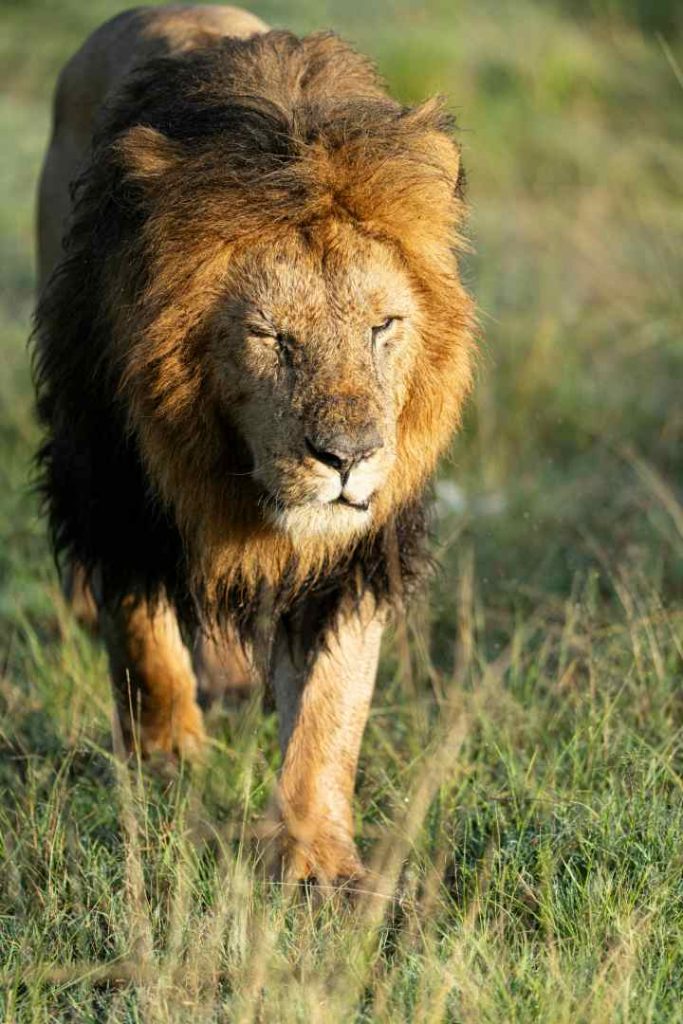
Walking Safari in Nyerere National Park
A Walking Safari in Nyerere National Park offers an exciting way to experience Tanzania’s southern wilderness on foot. Instead of exploring entirely from a safari vehicle, you walk through the natural surroundings with an experienced guide and armed ranger while learning how to read animal tracks, identify birds by their calls, and understand signs left behind by wildlife.
This approximately two-hour experience brings you closer to the sights, sounds, and smaller details of the African bush. Nyerere is particularly rewarding for walking because its diverse landscapes include miombo woodland, grasslands, riverine areas, and the Rufiji River system.
Experience a Walking Safari in Nyerere National Park
A walking safari provides a completely different perspective from a traditional game drive.
On foot, you move more slowly and become more aware of the natural environment around you. Your guide can point out animal tracks, plants, insects, birds, droppings, and other signs that are easy to overlook when travelling by vehicle.
The experience is about understanding the bush rather than simply looking for large animals.
Walk with an Experienced Guide and Ranger
Safety is an important part of a walking safari.
An experienced guide and an armed ranger accompany the activity. They help you understand the surroundings, explain wildlife behaviour, and make sure you follow appropriate safety procedures throughout the walk.
Always listen carefully to your guide and ranger, especially when approaching wildlife.
Discover Wildlife Tracks and Signs
One of the most fascinating parts of walking through Nyerere is learning to interpret the evidence animals leave behind.
Your guide may show you:
- Footprints
- Droppings
- Broken branches
- Feeding marks
- Animal trails
- Scratches
- Bird calls
- Signs of recent wildlife activity
For example, the activity description highlights how guides can explain that steaming elephant dung may indicate that an elephant passed through the area not long before.
These small clues help you understand how wildlife moves through the landscape.
Learn to Identify Birds by Their Calls
Nyerere National Park is an excellent destination for bird lovers.
More than 430 bird species have been recorded in the park, including fish eagles, bee-eaters, kingfishers, and various wetland birds.
During a walking safari, your guide can help you listen for different bird calls and identify species by sound.
This is one of the advantages of walking: you become more attentive to the sounds of the bush.
Follow in the Footsteps of Elephants
Elephants are among the most impressive animals you may encounter in Nyerere.
The walking experience can teach you how guides read signs of elephant activity and understand the direction in which animals have moved.
The activity description even highlights the opportunity to quietly approach elephant herds under the guidance of experienced professionals.
Wildlife encounters are always unpredictable, so the guide and ranger determine the appropriate distance and approach.
Discover Nyerere’s Diverse Landscapes
Nyerere is one of Tanzania’s great southern wilderness areas.
The park includes:
- Miombo woodlands
- Open grasslands
- Floodplains
- Riverine forests
- Wetlands
- Rufiji River channels
- Lakes and oxbow lakes
These different habitats support a wide range of wildlife and birdlife.
Walking allows you to experience these landscapes at a slower and more intimate pace.
Look for Wildlife in the Bush
Although a walking safari is not primarily about chasing animals, you may encounter wildlife along the route.
Nyerere is home to elephants, buffaloes, giraffes, hippos, crocodiles, lions, leopards, hyenas, impalas, waterbucks, sable antelope, and African wild dogs.
The exact animals you see will depend on the route, season, and natural movements of wildlife.
Experience African Wild Dog Country
Nyerere is one of Tanzania’s important strongholds for the African wild dog.
These rare and highly social predators are one of the park’s most exciting wildlife species.
Although a walking safari does not guarantee a sighting, learning about their tracks, behaviour, and habitat adds another fascinating element to the experience.
Learn About Plants and the African Bush
Walking is also an excellent way to discover the plant life of Nyerere.
Your guide can explain how different plants are used by wildlife and how they contribute to the wider ecosystem.
You may learn to recognize trees, grasses, fruits, and other vegetation while discovering how animals interact with their surroundings.
Hear the Sounds of Nyerere
A walking safari changes the way you experience the park.
Without the sound of a vehicle engine, you can concentrate on:
- Bird calls
- Insects
- Wind through the trees
- Animal movements
- Distant calls
- Sounds around the river
These sounds create a more immersive connection with the wilderness.
A Different Way to Experience Nyerere
A traditional game drive is ideal for covering large distances and searching for wildlife.
A walking safari offers something different.
Instead of focusing only on large animals, you learn to appreciate tracks, plants, insects, birds, landscapes, and subtle signs of wildlife.
For travelers who want a more active and immersive safari experience, this can be a memorable addition to their Nyerere itinerary.
Combine Your Walk with a Boat Safari
Nyerere National Park is particularly special because you can experience the wilderness from different perspectives.
After exploring on foot, you can take a boat safari on the Rufiji River and see hippos, crocodiles, elephants, and birds from the water.
Combining walking, boating, and game drives creates a varied southern Tanzania safari.
Explore the Rufiji River Ecosystem
The Rufiji River is one of the defining features of Nyerere National Park.
Its channels, floodplains, lakes, and wetlands support large numbers of wildlife and birds.
Although the walking safari focuses on terrestrial environments, understanding the Rufiji ecosystem helps explain why the surrounding area supports such rich biodiversity.
Photography During the Walking Safari
A walking safari provides excellent opportunities for photography.
You can photograph:
- Wildlife tracks
- Birds
- Plants
- Landscapes
- Trees
- Riverine scenery
- Animal signs
- Insects
- Wildlife from a safe distance
A camera with a moderate zoom lens can be useful, but always follow the guide’s instructions when photographing animals.
What to Bring
For a comfortable Walking Safari in Nyerere National Park, we recommend bringing:
- Sturdy hiking shoes
- Lightweight clothing
- Neutral-coloured clothes
- Sun hat
- Sunglasses
- Sunscreen
- Insect repellent
- Drinking water
- Small backpack
- Camera
- Binoculars
- Light jacket
Comfortable, closed footwear is particularly important when walking through natural terrain.
Safety During the Walk
Walking among wild animals requires careful attention.
Your guide and armed ranger are there to manage the experience and help you maintain a safe distance from wildlife. TANAPA’s walking-safari guidelines also require authorized guides and rangers, and walking activities must follow park regulations.
Never approach an animal independently, run during an encounter, or leave the group without permission.
The safest and most enjoyable experience is to follow your guide’s instructions at all times.
Who Can Enjoy This Experience?
The activity is particularly suitable for travelers who enjoy:
- Adventure
- Walking
- Wildlife
- Bird watching
- Photography
- Nature
- Learning about ecosystems
- Active safari experiences
The listed activity has a minimum age of 16 years.
How Long Is the Walking Safari?
The Walking Safari in Nyerere National Park takes approximately 2 hours.
This makes it easy to combine with other Nyerere experiences during the same day.
For example, you can enjoy a morning walking safari and later take a game drive or boat safari, depending on your itinerary and park regulations.
Best Time for a Walking Safari
The dry season from June to October is generally a good period for visiting Nyerere because vegetation is less dense and wildlife often concentrates around water sources.
However, Nyerere can offer rewarding experiences at different times of year, and conditions vary between seasons.
Your safari planner can recommend the best timing based on your itinerary and current park conditions.
Responsible Walking Safaris
Walking through a protected wilderness area requires responsible behaviour.
Stay on the designated route when instructed, do not disturb wildlife, and never remove plants, stones, or other natural materials.
Following park regulations helps protect Nyerere’s ecosystems for future generations.
Why Choose a Walking Safari in Nyerere?
A Walking Safari in Nyerere National Park allows you to experience the African bush at ground level.
You can learn how to read animal tracks, recognize bird calls, discover plants, understand wildlife behaviour, and follow signs left by elephants and other animals.
It is an ideal choice for adventurous travelers who want more than a traditional vehicle safari.
Book Your Walking Safari in Nyerere National Park
Experience the wilderness of southern Tanzania on foot with a Walking Safari in Nyerere National Park.
Spend around two hours exploring the bush with an experienced guide and armed ranger while learning about wildlife tracks, bird calls, plants, animal behaviour, and the natural environment.
Combine your walk with a game drive or a boat safari on the Rufiji River for a complete Nyerere adventure.