
10 Common Tanzania Safari Mistakes to Avoid: A Guide to the Perfect Adventure
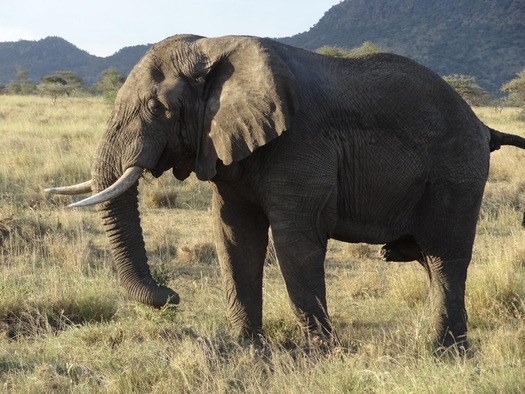
Planning a safari is a dream for many, but without the right preparation, it can quickly become an expensive and frustrating experience. Tanzania offers some of the best wildlife viewing in the world, from the rolling plains of the Serengeti to the breathtaking Ngorongoro Crater. To ensure your trip is as magical as you’ve imagined, here is our expert guide on the most common Tanzania safari mistakes to avoid.
1. Packing Too Much Gear and Heavy Suitcases
One of the most frequent Tanzania safari mistakes to avoid is overpacking. Many travelers bring large, hard-shell suitcases that simply do not fit in the limited luggage space of a 4×4 safari vehicle or a small bush plane.
The Luggage Constraint
If you are taking internal flights to the Serengeti or Zanzibar, these small planes often have a strict weight limit of 15kg (33 lbs) per person. Furthermore, they require soft-sided bags (duffel bags) because they are easier to stack in the cargo pod.
Essential Clothing Tips
You don’t need a new outfit for every day. Most lodges offer laundry services. Stick to neutral colors like khaki, beige, and olive. Avoid dark blue or black, as these colors attract tsetse flies, and avoid bright white, which gets dirty instantly from the savanna dust.
2. Trying to See Too Many Parks in a Short Time
Tanzania is a massive country. A common mistake is trying to visit Arusha, Tarangire, Manyara, Ngorongoro, and the Serengeti all in a five-day window.
The "Safari Fatigue" Factor
Spending 6 to 8 hours a day in a vehicle can be exhausting. If you rush, you spend more time on the bumpy transit roads than actually watching the animals.
The Quality over Quantity Approach
We recommend spending at least two to three nights in a single location like the Central Serengeti. This gives you a much better chance of witnessing rare events, like a leopard hunt or a pride of lions interacting, rather than just checking a park off your list and moving on.
3. Choosing a Safari Based Only on the Lowest Price
We all love a bargain, but in the safari industry, you truly get what you pay for. Choosing the cheapest operator is often one of the biggest Tanzania safari mistakes to avoid.
The Hidden Costs of Budget Safaris
Cheap safaris often mean:
Older Vehicles: Higher chance of breaking down in the middle of the park.
Inexperienced Guides: A guide who doesn’t know animal behavior or doesn’t speak your language well.
Limited Mileage: Some cheap companies limit the amount of fuel the guide can use, meaning you won’t drive deep into the wilderness where the best sightings are.
Finding Value, Not Just Cheapness
Look for mid-range operators who offer well-maintained 4×4 Land Cruisers with pop-up roofs and high-quality binoculars for every guest.
4. Ignoring the Timing of the Great Migration
If your main goal is to see the Great Migration, you must plan your dates and locations carefully. The herds move in a cycle, and they aren’t in the same place all year round.
Misunderstanding the Location
A common error is booking a lodge in the Southern Serengeti in August, expecting to see river crossings. In August, the herds are actually in the Northern Serengeti or the Maasai Mara. Always check a migration map before booking your accommodation.
5. Forgetting to Budget for Tipping and Extra Fees
Many travelers assume their “all-inclusive” package covers everything. However, tipping is a deeply ingrained part of the Tanzanian safari culture.
Tipping Guidelines
It is customary to tip your safari guide separately from the lodge staff. A general rule of thumb is $20 to $30 USD per day for the guide (per group). Budgeting for this ahead of time prevents awkwardness at the end of your trip.
6. Not Respecting the Wildlife and Park Rules
A safari is not a zoo; it is a wild environment. One of the most dangerous Tanzania safari mistakes to avoid is pressuring your guide to drive off-road or get too close to the animals.
The Importance of Silence
Loud talking or shouting to get an animal’s attention can cause them stress or drive them away. To get the best photos and experience, remain quiet and patient. Let the animals come to you.
7. Neglecting Your Health and Vaccination Prep
Tanzania is in a tropical region, and health precautions are necessary. Many travelers forget to consult a travel clinic at least two months before their trip.
Malaria and Yellow Fever
Most of Tanzania is a malaria zone. You should consult your doctor about anti-malarial pills. Additionally, if you are traveling from a country with Yellow Fever, you must show proof of vaccination at the airport, or you may be denied entry.
8. Relying Too Much on Technology
It’s tempting to spend the whole safari looking through a camera lens or your phone screen.
Experience the Moment
Some of the best safari memories come from the sounds of the bush at night or the smell of the rain on the plains. Take your photos, but then put the camera down and simply be there.
Battery and Power Issues
Don’t assume every camp has 24-hour electricity. Many bush camps run on solar power. Bring a high-capacity power bank to ensure your devices stay charged.
9. Only Focusing on the "Big Five"
While seeing a Lion, Leopard, Rhino, Elephant, and Buffalo is exciting, Tanzania has so much more to offer.
The "Little Five" and Birdlife
Don’t ignore the stunning birdlife, the dung beetles, or the diverse plant life. If you only look for the Big Five, you might miss the incredible cheetah hunt or the beautiful landscape of the Ngorongoro highlands.
10. Skipping the Cultural Experience
Many tourists fly into the bush, see the animals, and fly out. This is a missed opportunity to connect with the people of Tanzania.
Engaging with Local Communities
Whether it’s visiting a Maasai Boma, a Hadzabe tribe, or a local market in Arusha, these interactions provide context to the land you are visiting. The people of Tanzania are incredibly welcoming—don’t miss the chance to say “Jambo” and learn about their way of life.
Conclusion: Planning Your Trip with Confidence
By keeping these Tanzania safari mistakes to avoid in mind, you are already ahead of 90% of other travelers. A successful safari is a balance of good planning, the right expectations, and a spirit of adventure.
Tanzania is a land of wonders. When you respect the environment, tip your guides fairly, and take the time to slow down, you will have a trip that changes your life forever.