
Marangu Route Kilimanjaro Trek – 8 Days Adventure (6 Days Climbing)
Overview
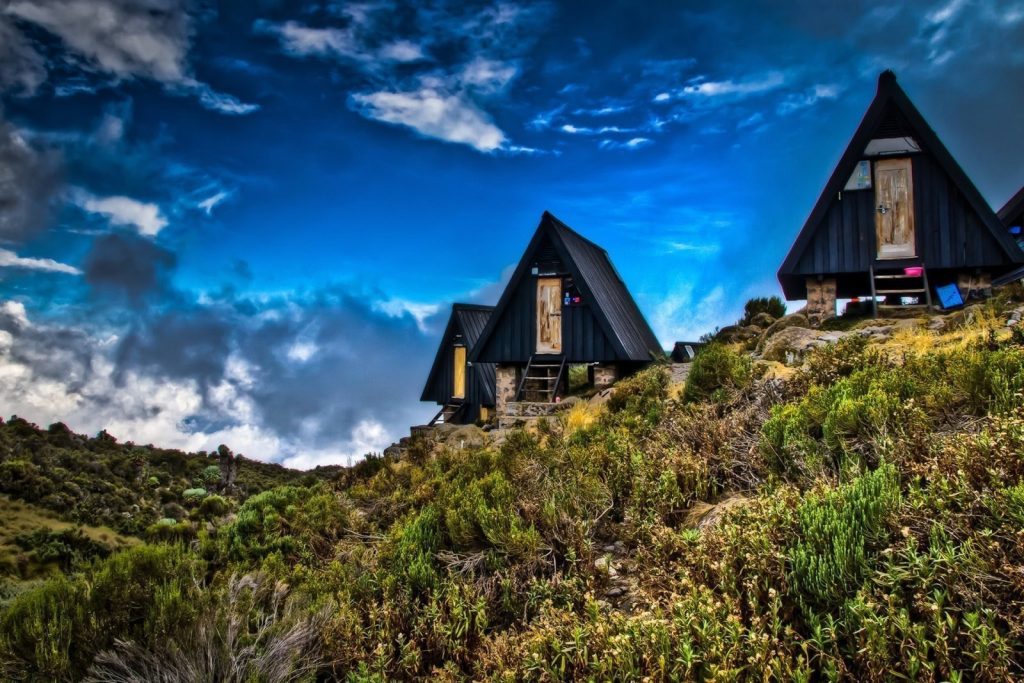
First, the Marangu Route Kilimanjaro Trek, famously known as the “Coca-Cola Route,” is the only path offering hut accommodation. Moreover, this 8-day itinerary includes an extra day for acclimatization at Horombo Hut. Additionally, the route starts from the southeastern side and passes through lush rainforests and alpine deserts. In fact, it is ideal for trekkers who prefer a well-defined trail instead of camping in tents. Consequently, you will enjoy stunning views of Mawenzi and Kibo peaks throughout the journey. Therefore, it offers a classic and comfortable Kilimanjaro experience. Finally, your adventure culminates at Uhuru Peak, the highest point in Africa.
Itinerary Day By Day
Day 1: Arrival in Moshi/Arusha
Arrive at Moshi or Arusha, where your driver will transfer you to your hotel. Take the day to rest, acclimatize, and prepare for the climb. Your guides will meet you to discuss the route, check your gear, and provide an orientation for the adventure ahead.
Day 2: Marangu Gate to Mandara Hut
After breakfast, you will drive to Marangu Gate to complete park registration formalities. The trek begins through lush rainforest, where you may spot colobus monkeys and colorful birdlife. The trail is gentle and well-defined, making it a comfortable introduction to the climb. You will arrive at Mandara Hut in the afternoon, where you can relax and enjoy your first night on the mountain.
Day 3: Mandara Hut to Horombo Hut
Today’s hike takes you out of the rainforest and into the heath and moorland zone. The landscape opens up, offering impressive views of Mawenzi Peak and, on clear days, Kibo Peak. The trail gradually ascends to Horombo Hut, one of the largest camps on Kilimanjaro. The slower pace helps your body begin adjusting to the altitude.
Day 4: Horombo Hut to Kibo Hut
This day marks a significant change in scenery as you trek into the alpine desert zone. Vegetation becomes sparse, and the terrain more rugged. The route passes between Mawenzi and Kibo peaks, offering dramatic mountain views. You will reach Kibo Hut in the afternoon, rest, eat an early dinner, and prepare for the summit attempt later that night.
Day 5: Kibo Hut to Uhuru Peak to Horombo Hut
Your summit attempt begins shortly after midnight. With headlamps lighting the way, you slowly ascend toward Gilman’s Point before continuing along the crater rim to Uhuru Peak, the highest point in Africa. After celebrating and taking photos at the summit, you descend back to Kibo Hut for a short rest, then continue down to Horombo Hut for overnight recovery.
Day 6: Horombo Hut – Rest and Acclimatization Day
This optional rest and acclimatization day allows your body to recover after the summit climb. You can relax at Horombo Hut or take a short acclimatization walk around the area. This extra day improves safety, comfort, and overall success, especially for climbers who prefer a more gradual descent.
Day 7: Horombo Hut to Marangu Gate and Return to Moshi/Arusha
After breakfast, you descend through the heath zone and back into the rainforest. Upon reaching Marangu Gate, you will sign out of the park and receive your summit certificate. You will then be transferred back to your hotel in Moshi or Arusha, where a hot shower and celebration await.
Day 8: Departure from Moshi / Arusha
After breakfast, transfer to Kilimanjaro International Airport for your onward flight home, marking the end of your Kilimanjaro adventure.
Safari Includes
Professional, licensed mountain guides
Experienced porters and support crew
Kilimanjaro National Park entry fees
Hut accommodation on the mountain (Mandara, Horombo, and Kibo Huts)
Rescue and emergency evacuation services
Three meals per day during the climb
Drinking water on the mountain (filtered/treated)
Sleeping mattress at the huts
Summit certificate upon reaching Uhuru Peak
All ground transfers to and from the mountain (Moshi/Arusha – gate – Moshi/Arusha)
Safari Excludes
International and domestic flights
Tanzania visa fees
Travel and medical insurance (mandatory)
Tips for guides, porters, and mountain crew
Personal trekking equipment (clothing, boots, sleeping bag, trekking poles, etc.)
Accommodation in Moshi/Arusha before and after the climb
Personal expenses such as laundry, drinks, and souvenirs
Optional activities before or after the climb
Faqs
1. How difficult is it to climb Mount Kilimanjaro?
Mount Kilimanjaro is challenging but achievable for most people. The climb does not require technical climbing skills. The biggest challenge is the altitude, not the terrain. With proper acclimatization and a steady pace, many climbers reach the summit successfully.
2. What can I expect from a safari in Tanzania with Yote Tanzania Adventures?
With Yote Tanzania Adventures, you can expect a well-organized, authentic, and personalized safari experience. Our safaris include professional local guides, comfortable safari vehicles, carefully selected lodges, and thoughtfully planned itineraries designed to maximize wildlife viewing while ensuring comfort and safety.
3. Do I need prior trekking or climbing experience?
No prior climbing experience is required to climb Mount Kilimanjaro. It is a high-altitude hike rather than a technical mountain. Basic fitness, determination, and following your guide’s advice are the most important factors.
4. What is the best time to climb Mount Kilimanjaro?
The best time to climb Mount Kilimanjaro is during the dry seasons:
January to March
June to October
These periods offer better weather conditions, clearer views, and safer trails.
5. How many days are recommended for a Kilimanjaro climb?
A climb of 7–8 days is strongly recommended. Longer itineraries allow the body to adjust to altitude properly, increasing summit success rates and reducing the risk of altitude sickness.