
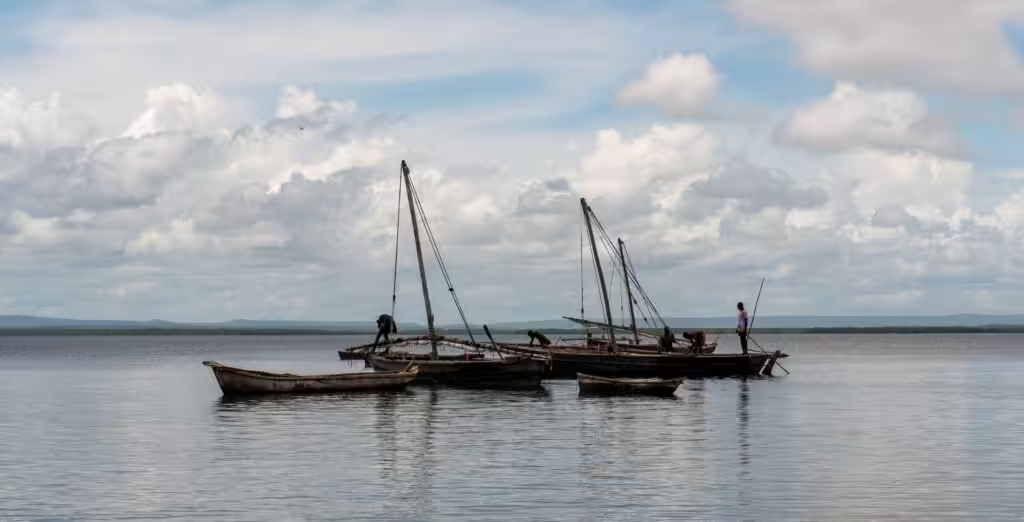
Kilwa Kisiwani
Kilwa Kisiwani is a historic island on Tanzania’s southern coast. It is famous for ancient Swahili ruins, the Great Mosque, Husuni Kubwa Palace and its important role in Indian Ocean trade. Today, Kilwa Kisiwani is a UNESCO World Heritage Site and one of Tanzania’s most fascinating cultural destinations.
Discover Kilwa Kisiwani
Kilwa Kisiwani was once a wealthy Swahili trading city. From around the 13th to 14th centuries, it became an important center for trade between East Africa and countries across the Indian Ocean.
Merchants traded gold, ivory and other goods from the African interior. In return, they brought ceramics, textiles and other products from Arabia, Persia, India and China.
UNESCO World Heritage Site
Kilwa Kisiwani and nearby Songo Mnara were added to the UNESCO World Heritage List in 1981.
The ruins show the development of Swahili architecture, Islamic culture and Indian Ocean trade. The site also provides an important link to the history of coastal Tanzania.
The Great Mosque
The Great Mosque of Kilwa is one of the island’s most impressive monuments.
The mosque was built in several stages. Some parts date back to the 11th century, while major additions were made during the 13th century.
Its large vaulted spaces and coral-stone construction show the skill of medieval Swahili builders.
Husuni Kubwa Palace
Husuni Kubwa is the remains of a large palace complex built between about 1310 and 1333.
The palace had many rooms, courtyards and a large bathing pool.
Its size reflects the wealth and importance of Kilwa during its most prosperous period.
Gereza Fort
The Gereza is another important structure on the island.
The present building reflects the later Portuguese period of Kilwa’s history. It stands as a reminder of the political changes that followed the decline of the city’s trading power.
The Kilwa Sultanate
Kilwa Kisiwani was the center of the Kilwa Sultanate, one of the most important Swahili city-states on the East African coast.
Its location helped connect African inland trade routes with the Indian Ocean.
Kilwa was also known for producing its own coins, showing the city’s economic importance during the medieval period.
Indian Ocean Trade
Kilwa became wealthy because of its position along major Indian Ocean trade routes.
Trade connected the city with:
- Arabia
- Persia
- India
- China
- Other Swahili settlements
- Communities in the African interior
Archaeological discoveries, including imported ceramics, show how connected Kilwa was to the wider world.
Songo Mnara
Songo Mnara is another important historical site near Kilwa Kisiwani.
The island contains the remains of mosques, houses, palaces and other coral-stone structures.
Both islands are included in the same UNESCO World Heritage property.
Explore the Ancient Ruins
A guided tour allows visitors to explore several parts of the old settlement.
Important sites include:
- Great Mosque
- Husuni Kubwa
- Husuni Ndogo
- Gereza
- Malindi Mosque
- Makutani ruins
- Ancient houses
- Old city walls
A local guide can explain the history behind each site and make the visit more meaningful.
Ibn Battuta’s Visit
The famous traveler Ibn Battuta visited Kilwa around 1331–1332.
He described the city as an impressive and prosperous place. His writings provide valuable information about Kilwa during its period of greatest importance.
Kilwa Kisiwani and the Ocean
The island is surrounded by the Indian Ocean.
After exploring the ruins, visitors can enjoy peaceful coastal scenery, photography and walks along the shoreline.
The combination of ancient architecture and ocean views makes Kilwa especially attractive to photographers.
Swahili Culture
Kilwa Kisiwani is an important part of Tanzania’s Swahili heritage.
The ruins reflect centuries of African, Arab and Persian cultural interaction along the coast.
Visitors can learn about traditional coastal life, Islamic heritage, architecture and the history of Indian Ocean trade.
How to Get to Kilwa Kisiwani
Kilwa Kisiwani is reached by boat from Kilwa Masoko on the mainland.
The journey offers views of the coastline and surrounding waters before arriving at the historic island.
Kilwa is located south of Dar es Salaam and can be included in a southern Tanzania travel itinerary.
Best Time to Visit
The June to October dry season is a popular time to visit Kilwa.
During these months, conditions are generally suitable for sightseeing, boat trips and exploring the ruins.
The coastal climate remains warm throughout the year, although travelers should consider rainfall and sea conditions when planning their trip.
Where to Stay
Visitors can find accommodation around Kilwa Masoko and the surrounding coastal areas.
Options include beach lodges, hotels and comfortable resorts.
Staying overnight allows travelers to explore the historical sites without rushing and enjoy more of the southern coast.
Combine Kilwa with a Safari
Kilwa Kisiwani can be combined with several southern Tanzania destinations.
Popular options include:
- Nyerere National Park
- Mikumi National Park
- Ruaha National Park
- Udzungwa Mountains National Park
- Dar es Salaam
- Lindi
- Mtwara
This combination allows travelers to experience wildlife, history and the Indian Ocean coast in one journey.
Why Visit Kilwa Kisiwani?
Kilwa Kisiwani offers a different experience from Tanzania’s famous safari parks.
Instead of wildlife drives, visitors discover ancient mosques, palaces, forts and coral-stone ruins.
Its UNESCO status, Swahili heritage and beautiful coastal setting make it a special destination for travelers interested in history and culture.
Plan Your Kilwa Kisiwani Visit
Explore Kilwa Kisiwani and discover the remains of one of East Africa’s most important medieval trading cities.
Visit the Great Mosque, Husuni Kubwa Palace and Gereza Fort while learning about Swahili culture and Indian Ocean trade.
Kilwa Kisiwani is an excellent addition to a southern Tanzania itinerary and offers a memorable journey into the country’s rich coastal history.